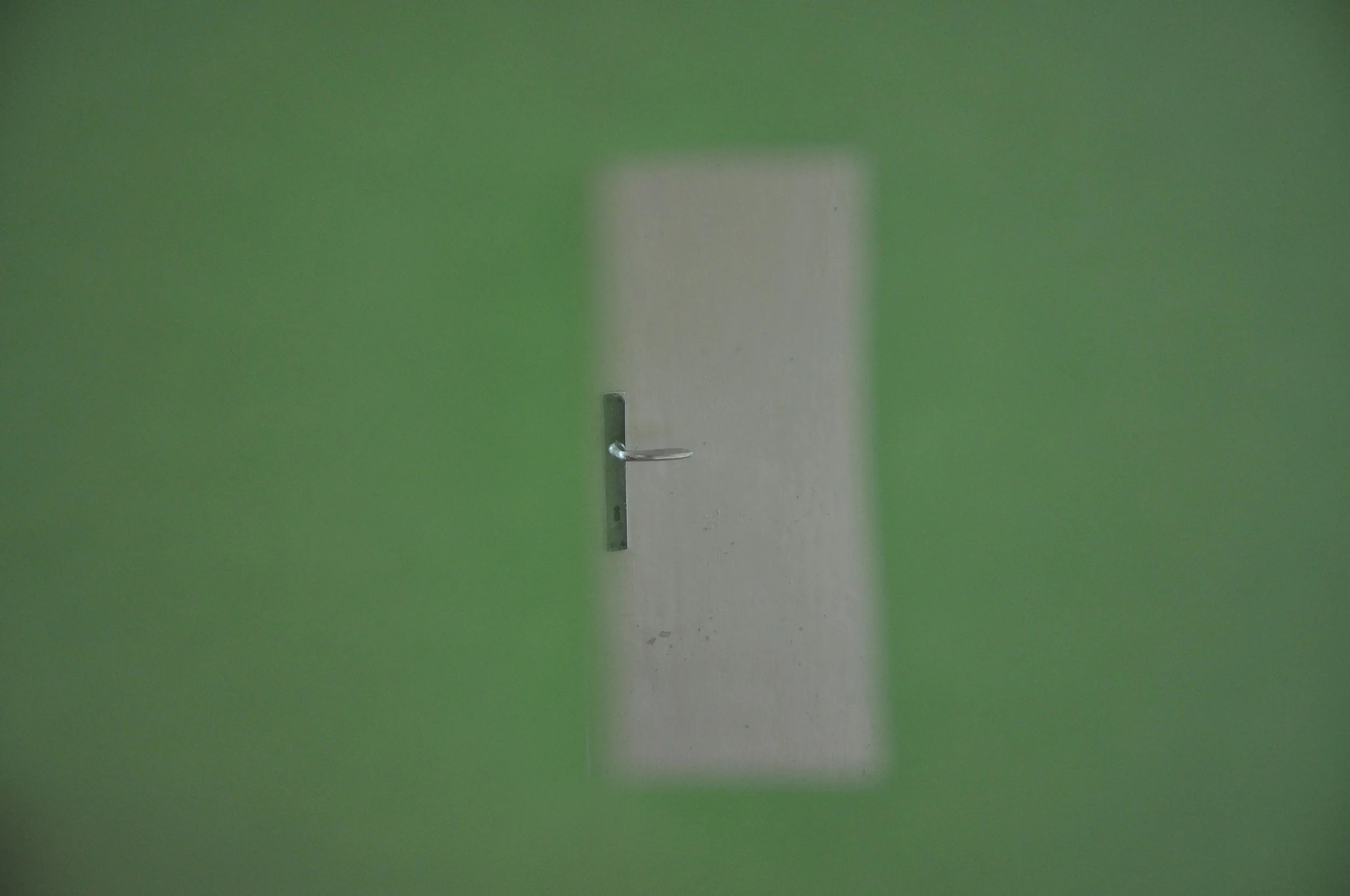
A rooster is crowing
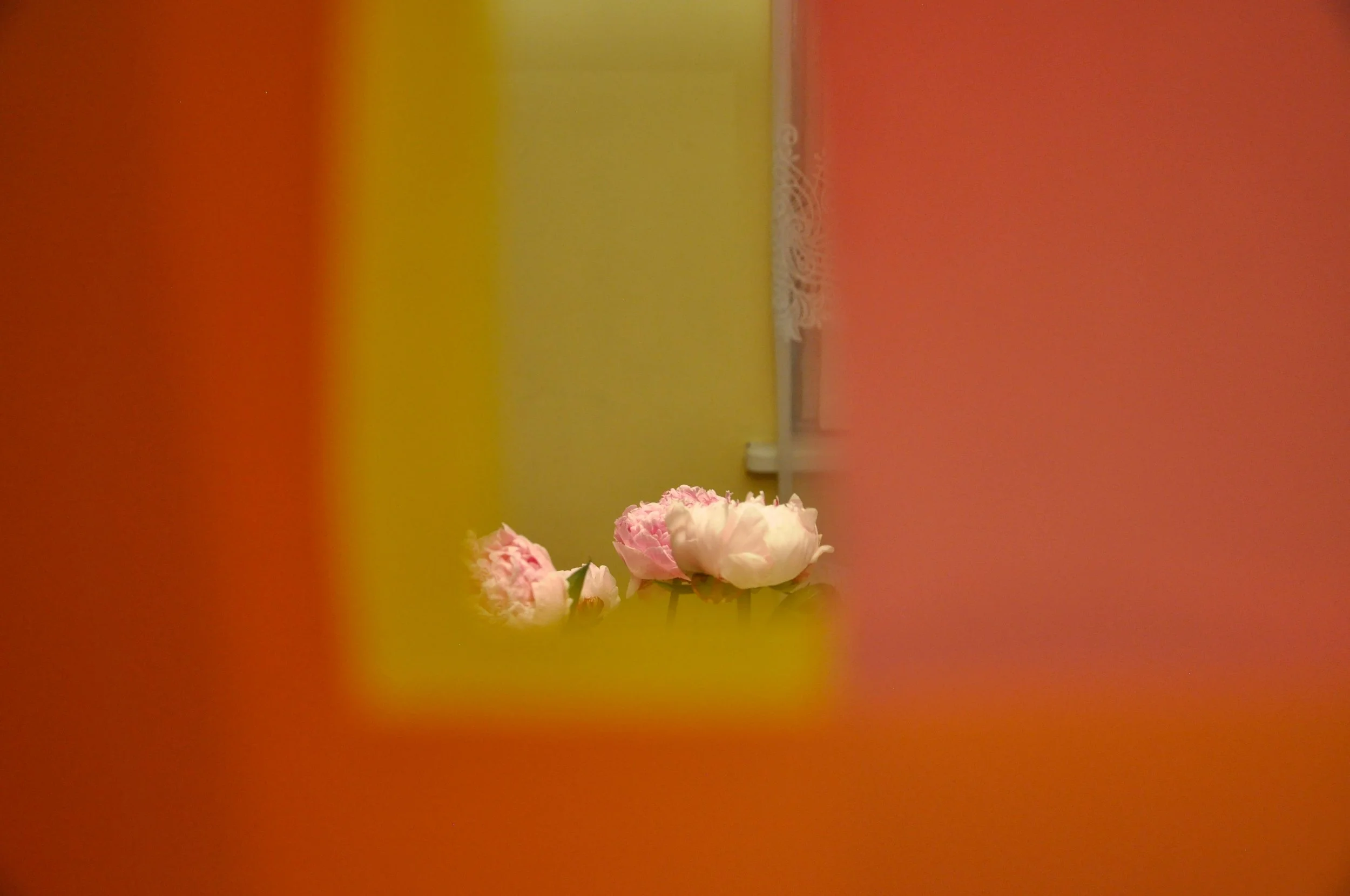
Swallows circle outside
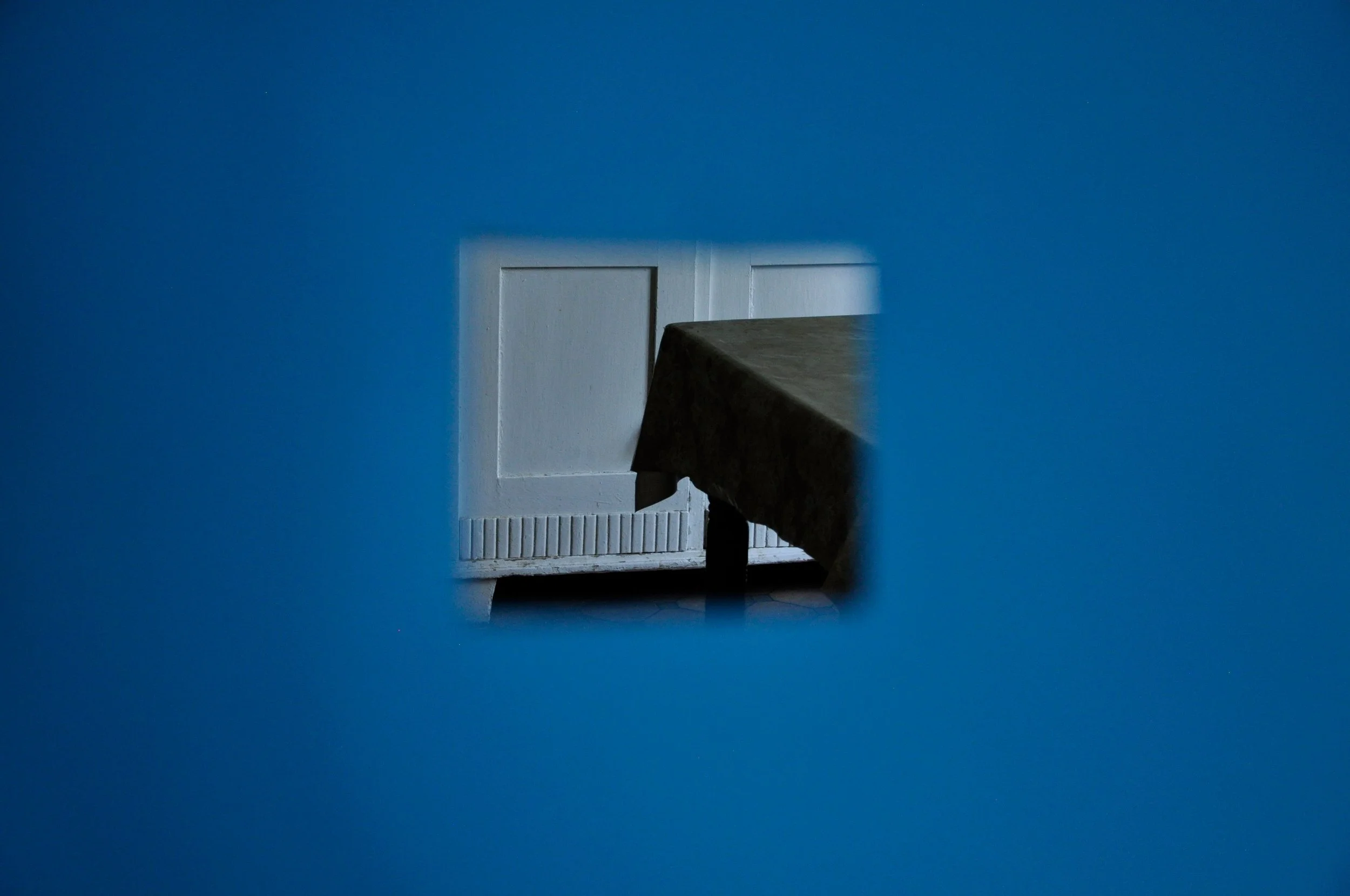
The sugar bowl with the broken handles
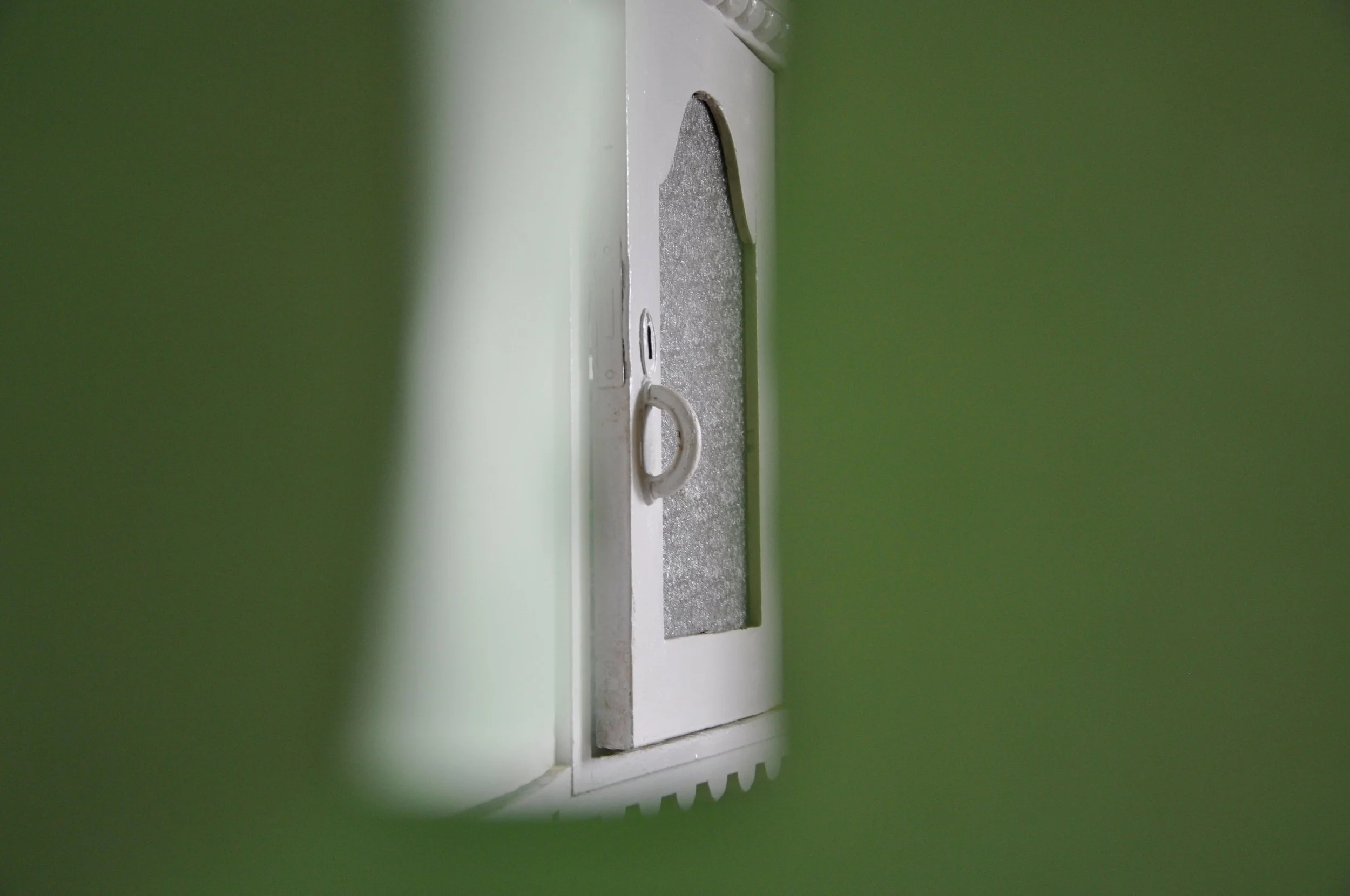
Some salt grains have fallen out

A fly is trapped in the room

The sound of a horse-drawn cart getting fainter
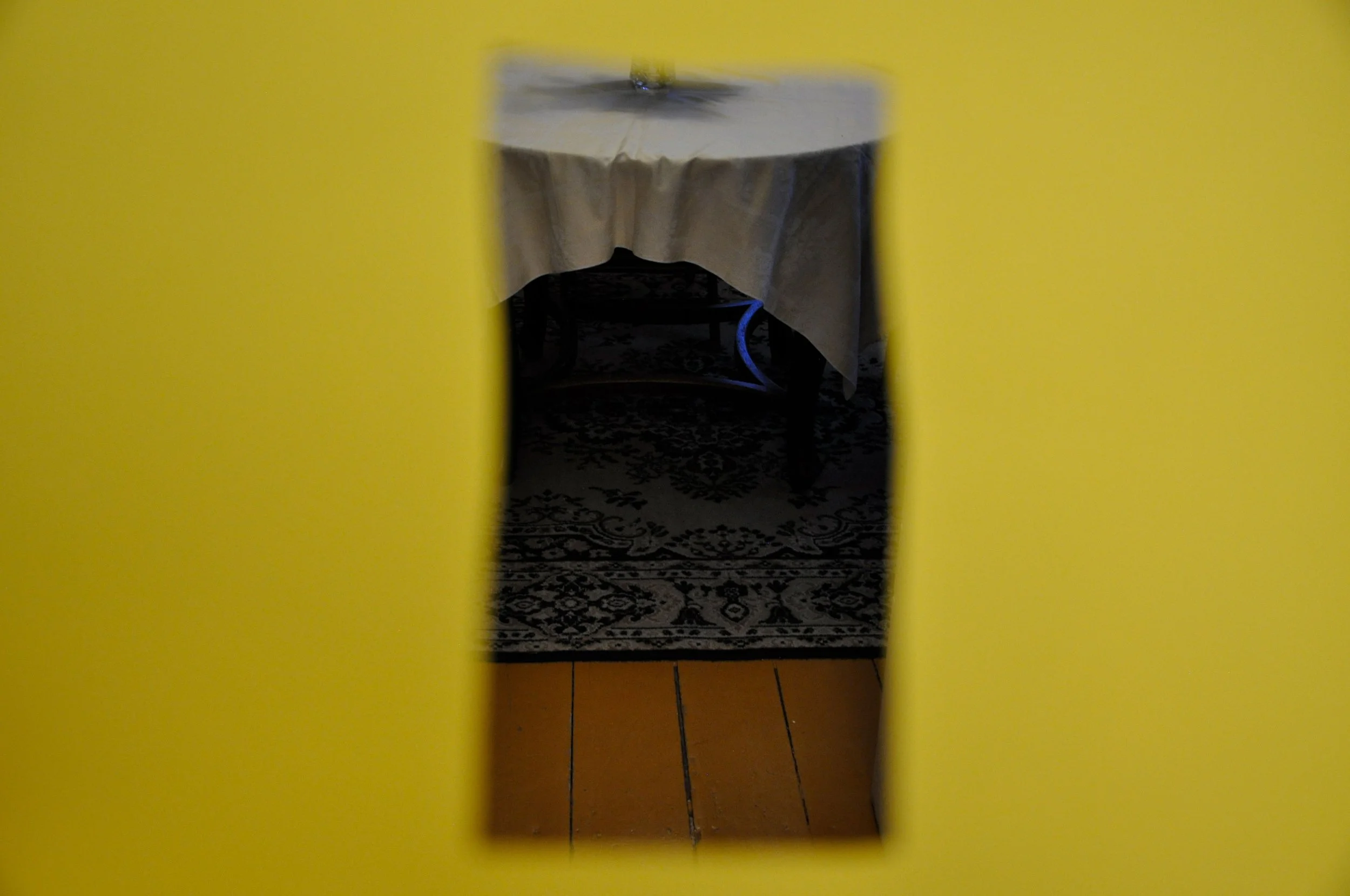
A box filled with spools of thread and beads
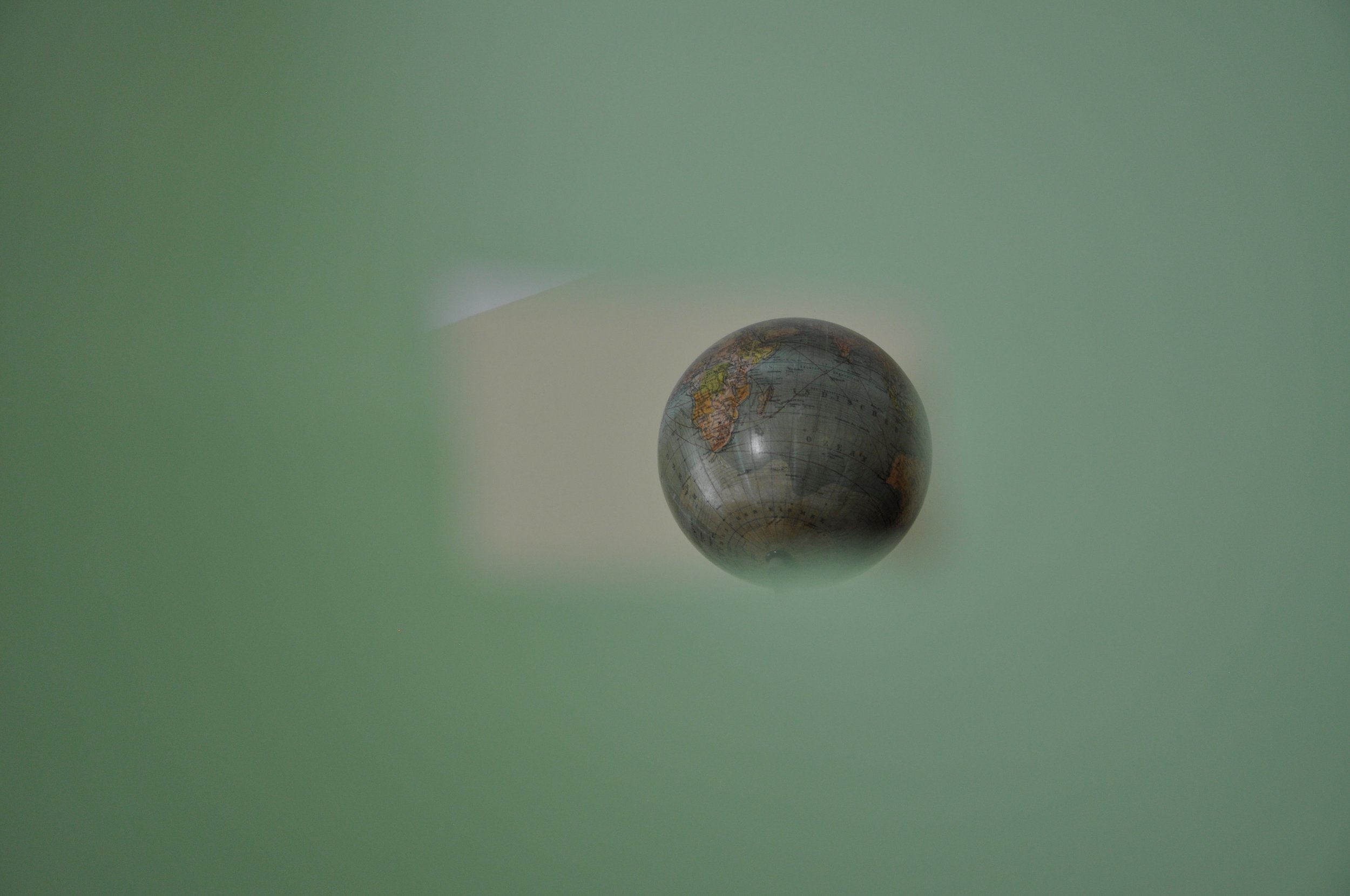
The globe no longer shows the correct names
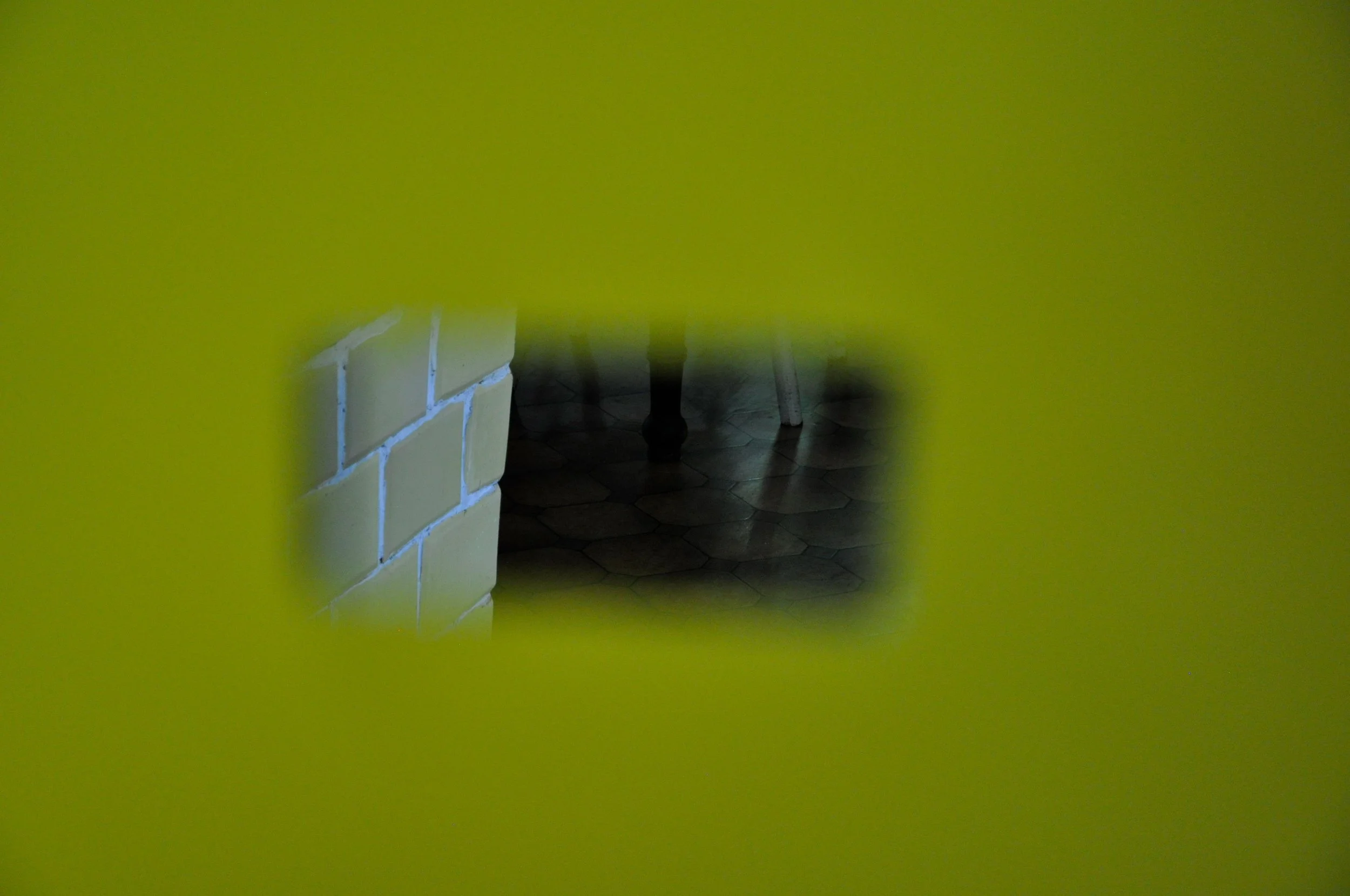
The sound of crockery
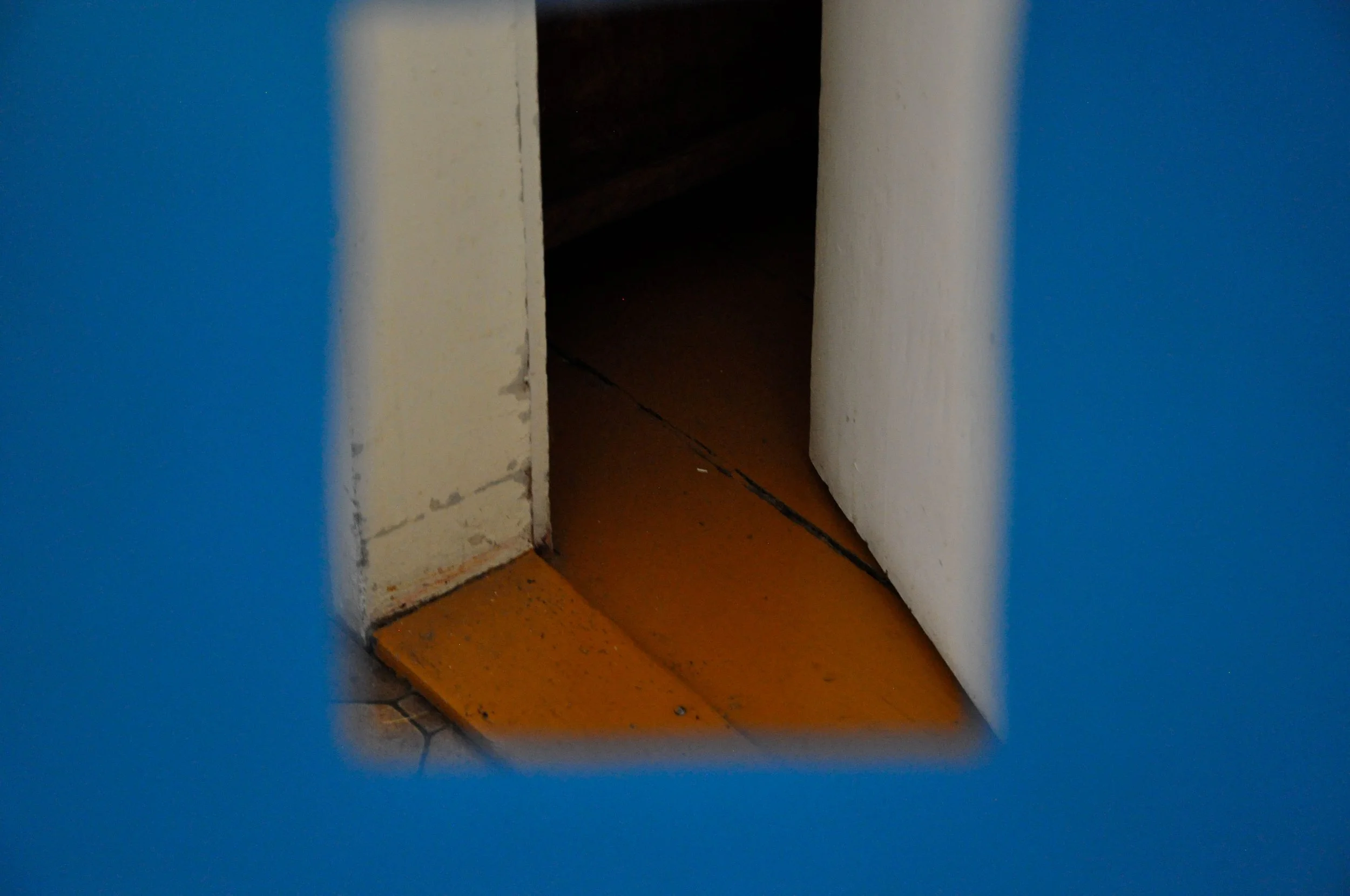
A black and white TV test pattern and tone
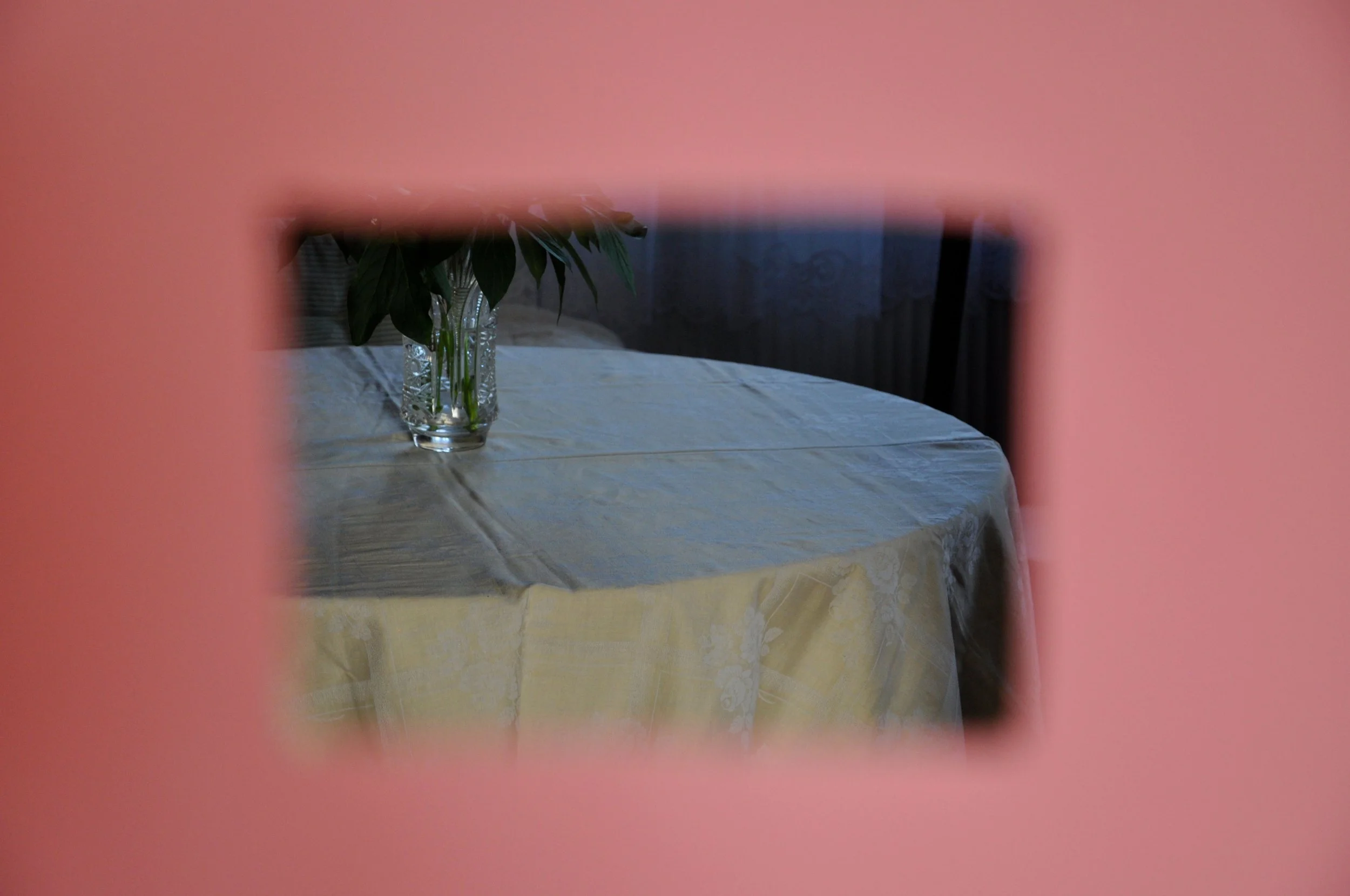
Pre-war photos in the album
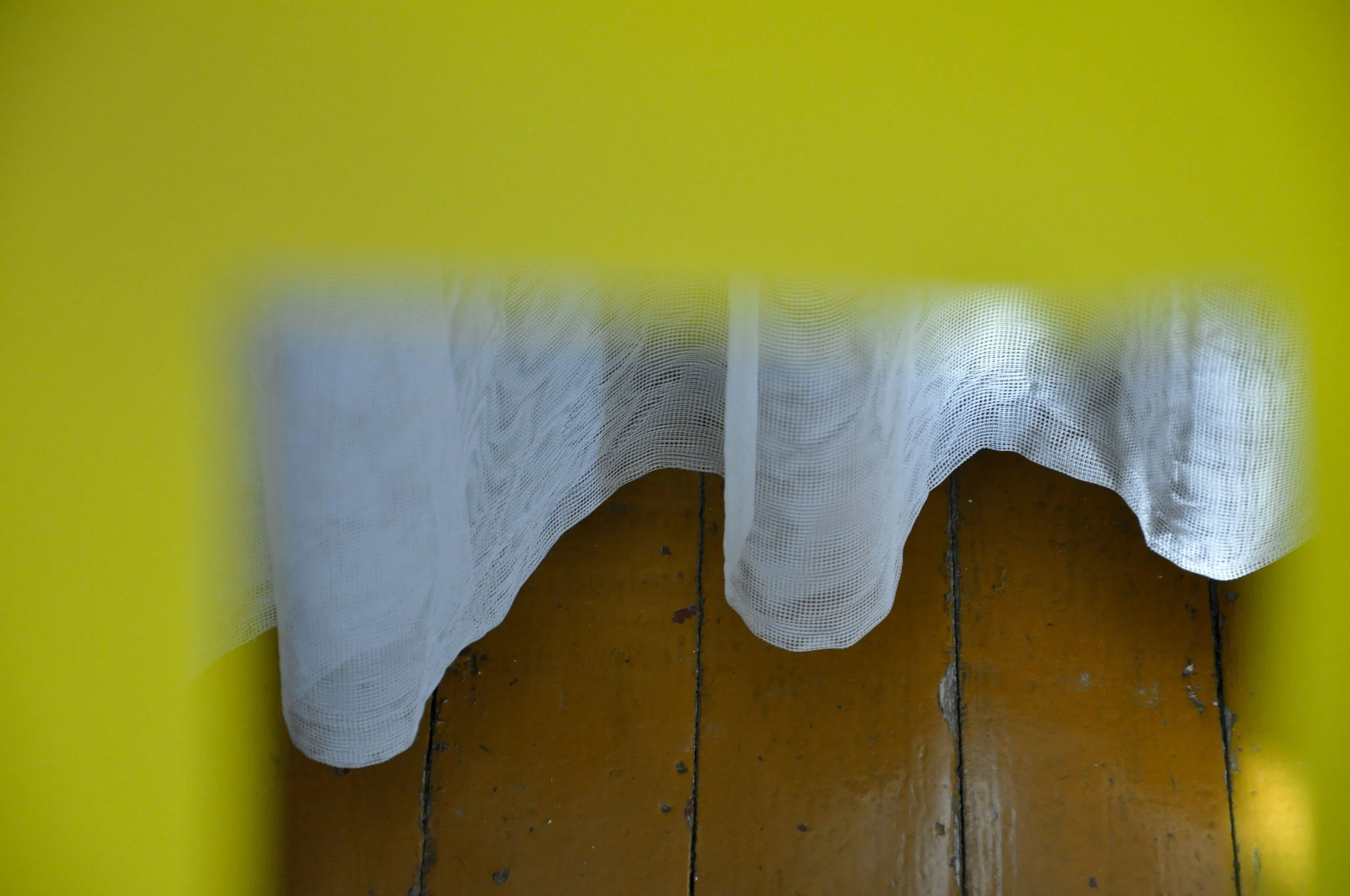
A burgundy layer of paint underneath
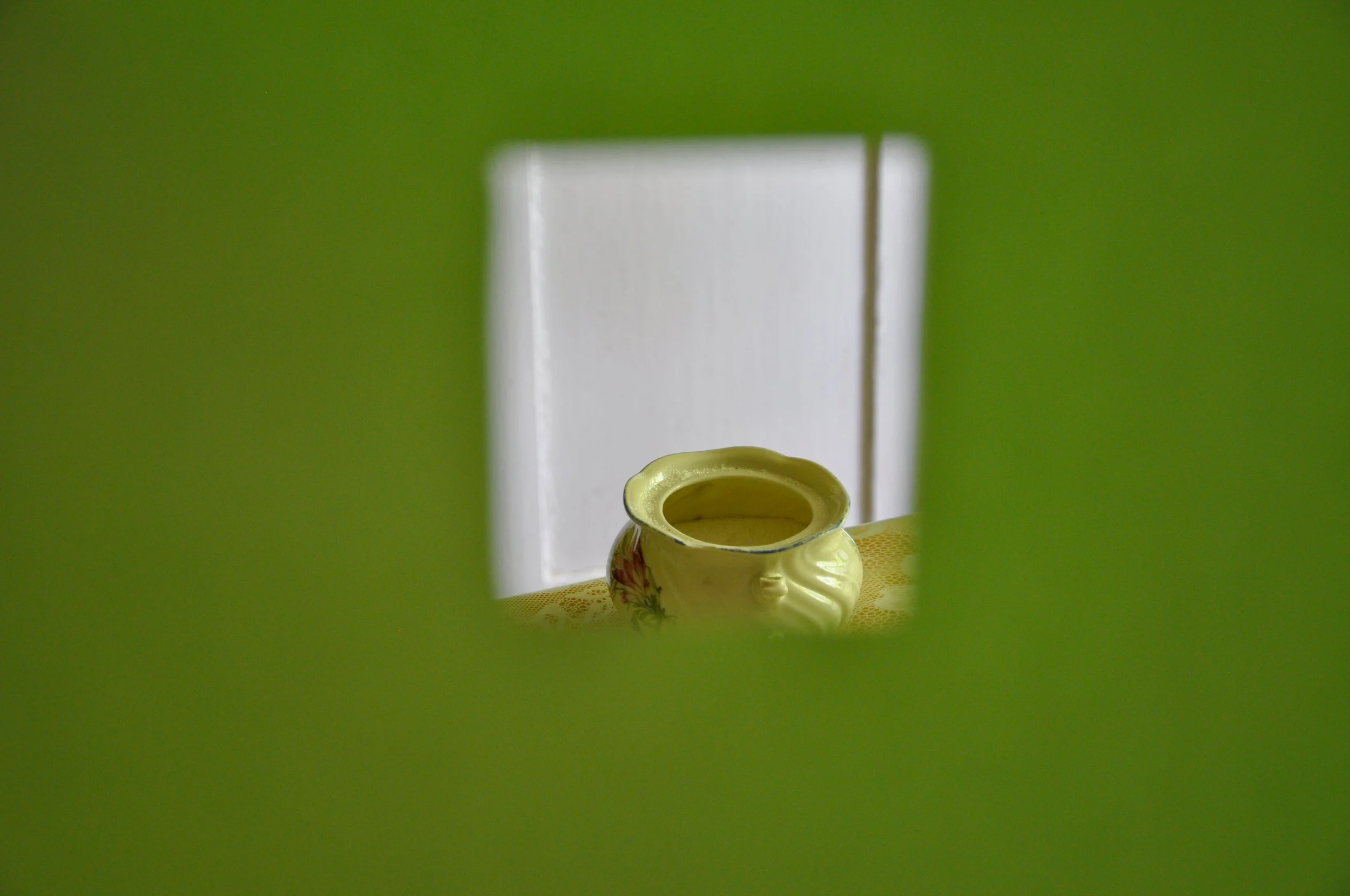
The smell of apricot marmalade
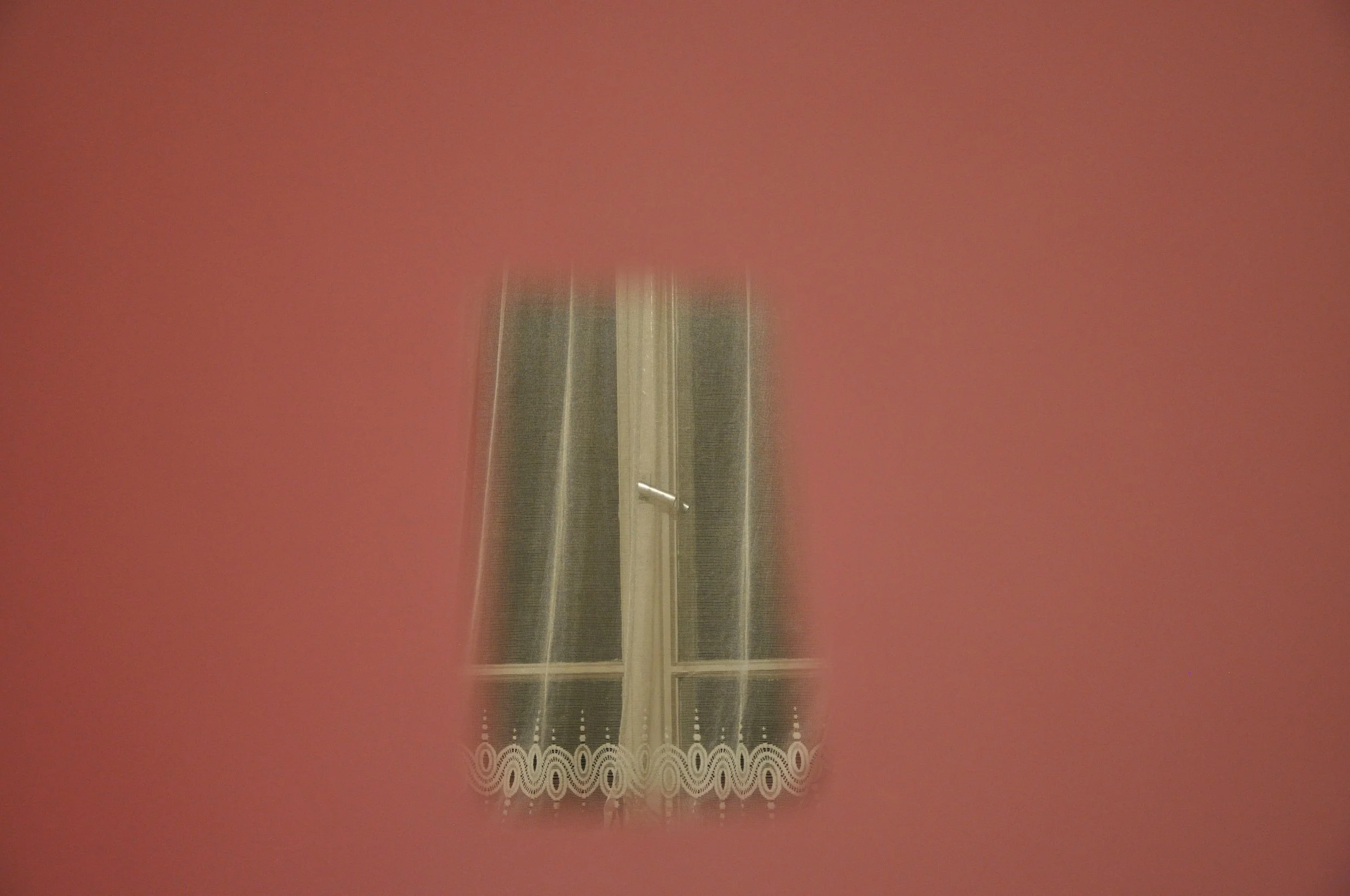
A siren wails far away
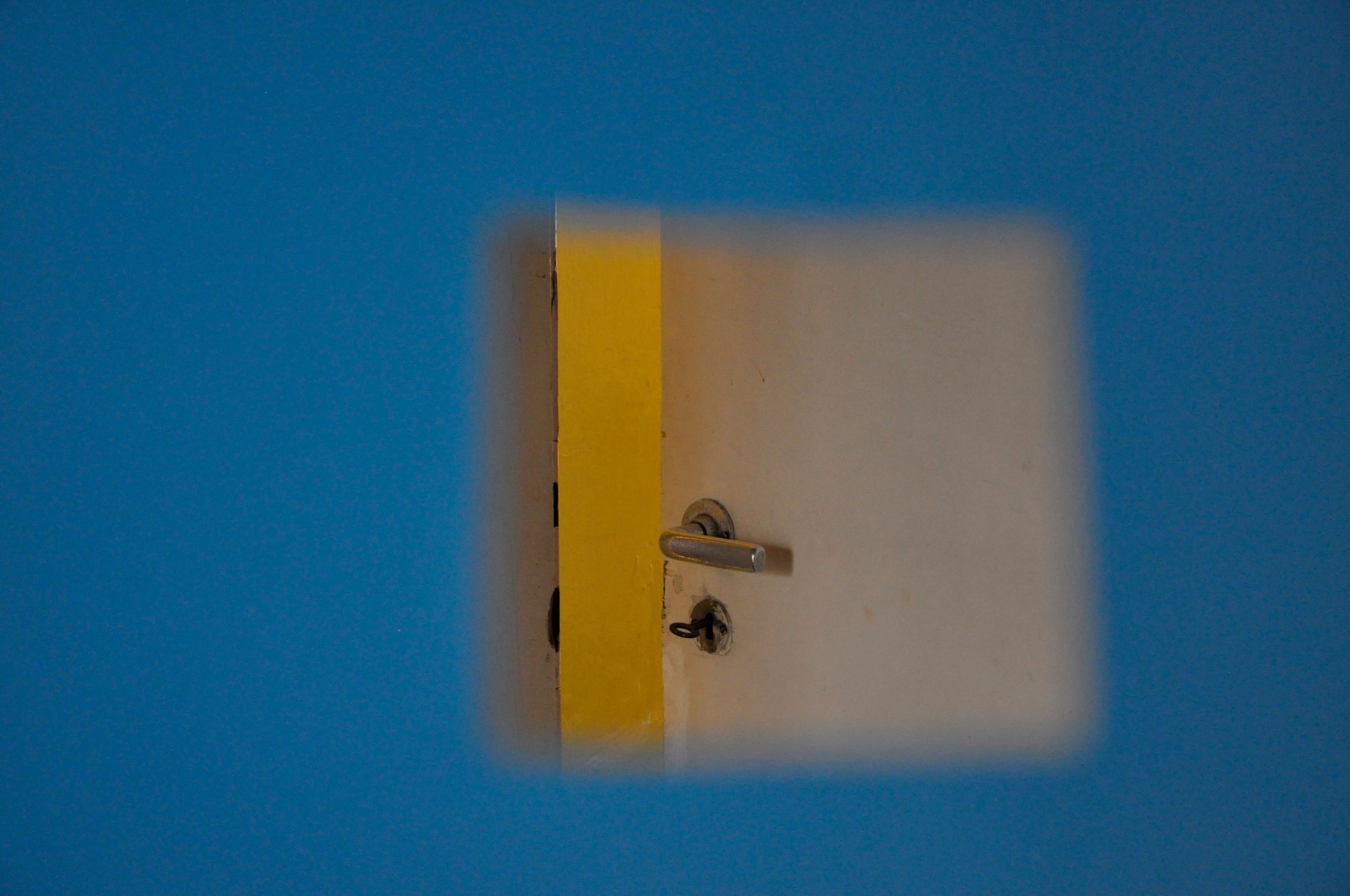
Rotting apples in a basket
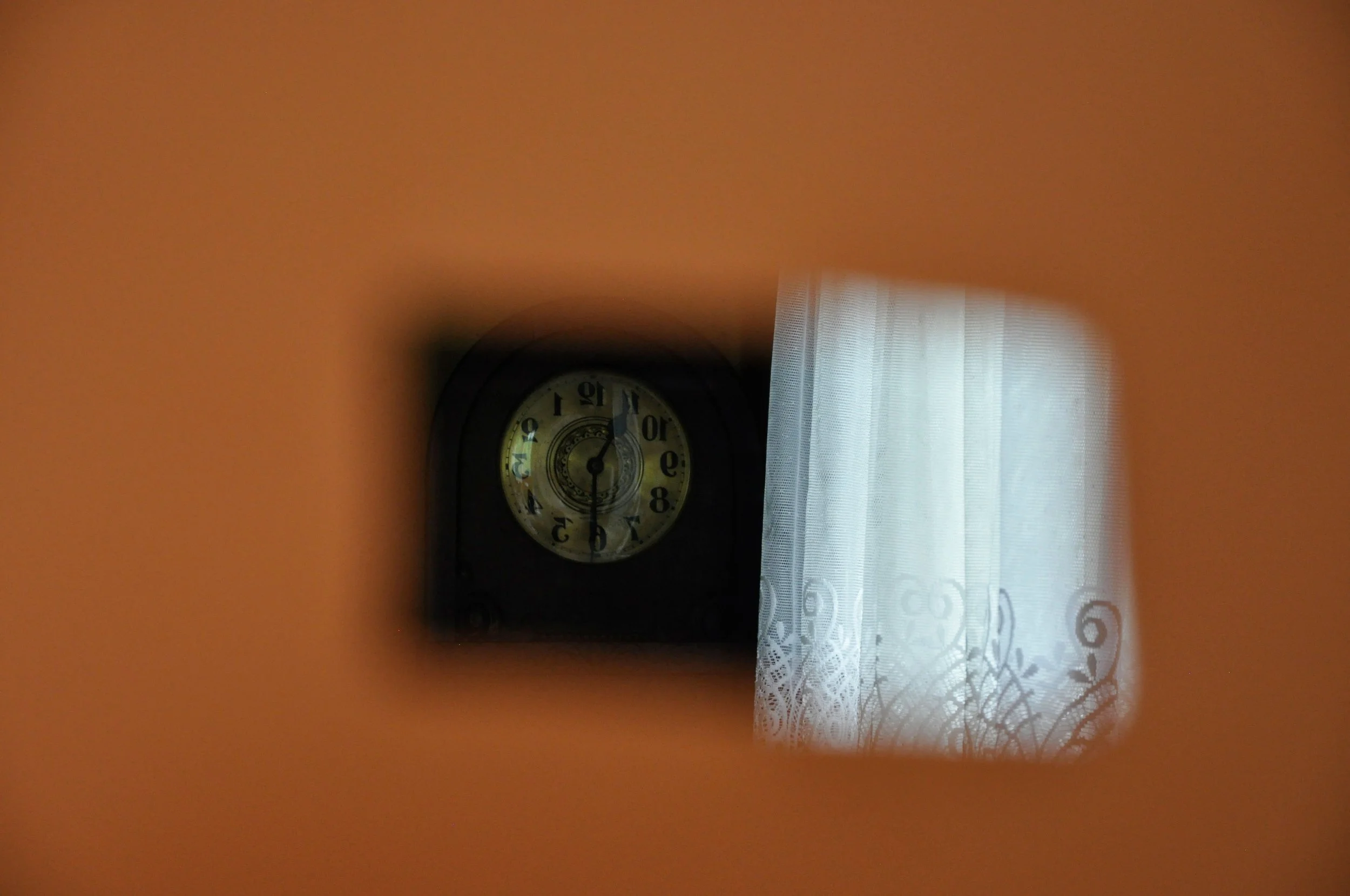
A train horn in the distance
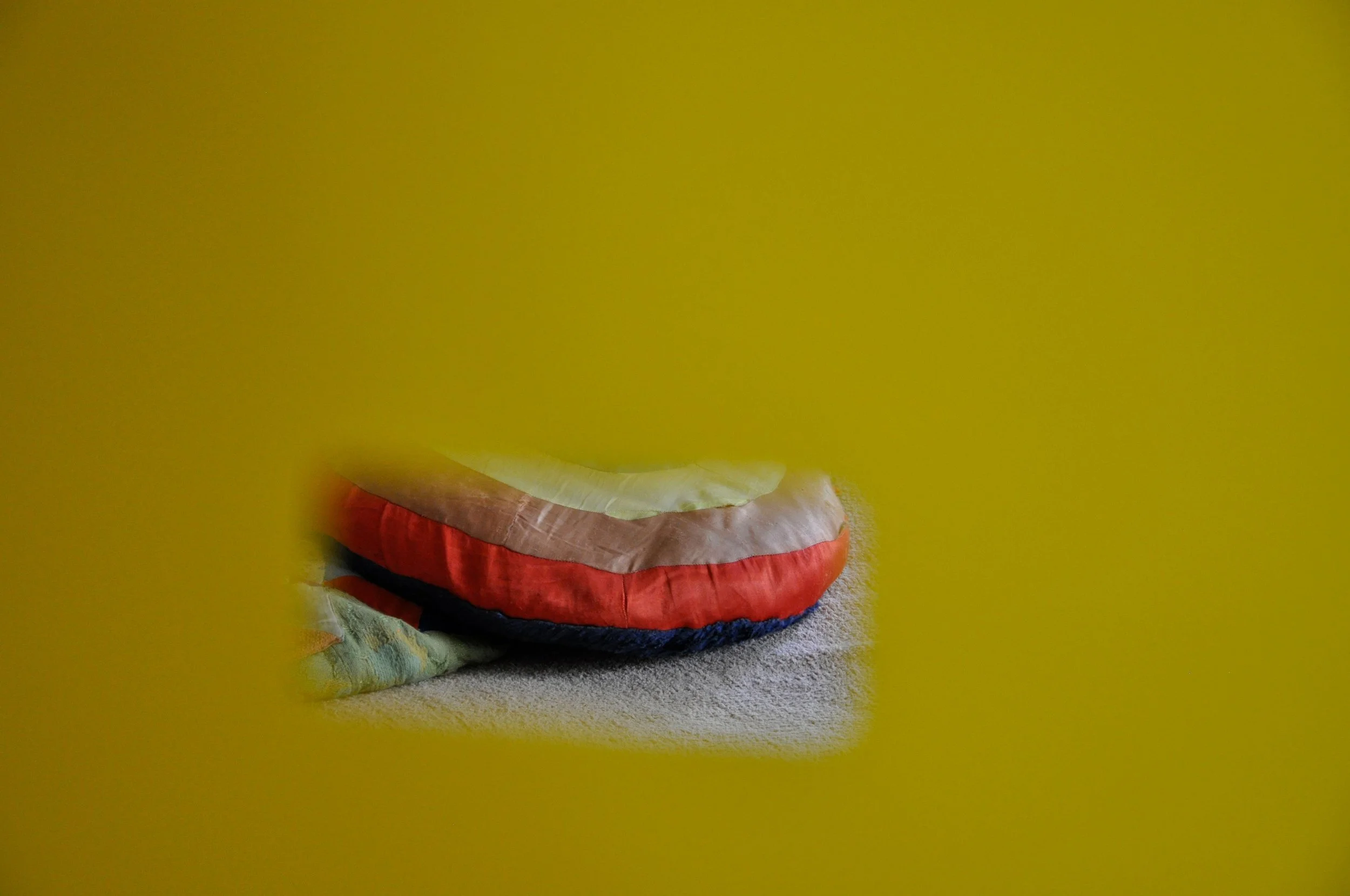
Two clocks ticking
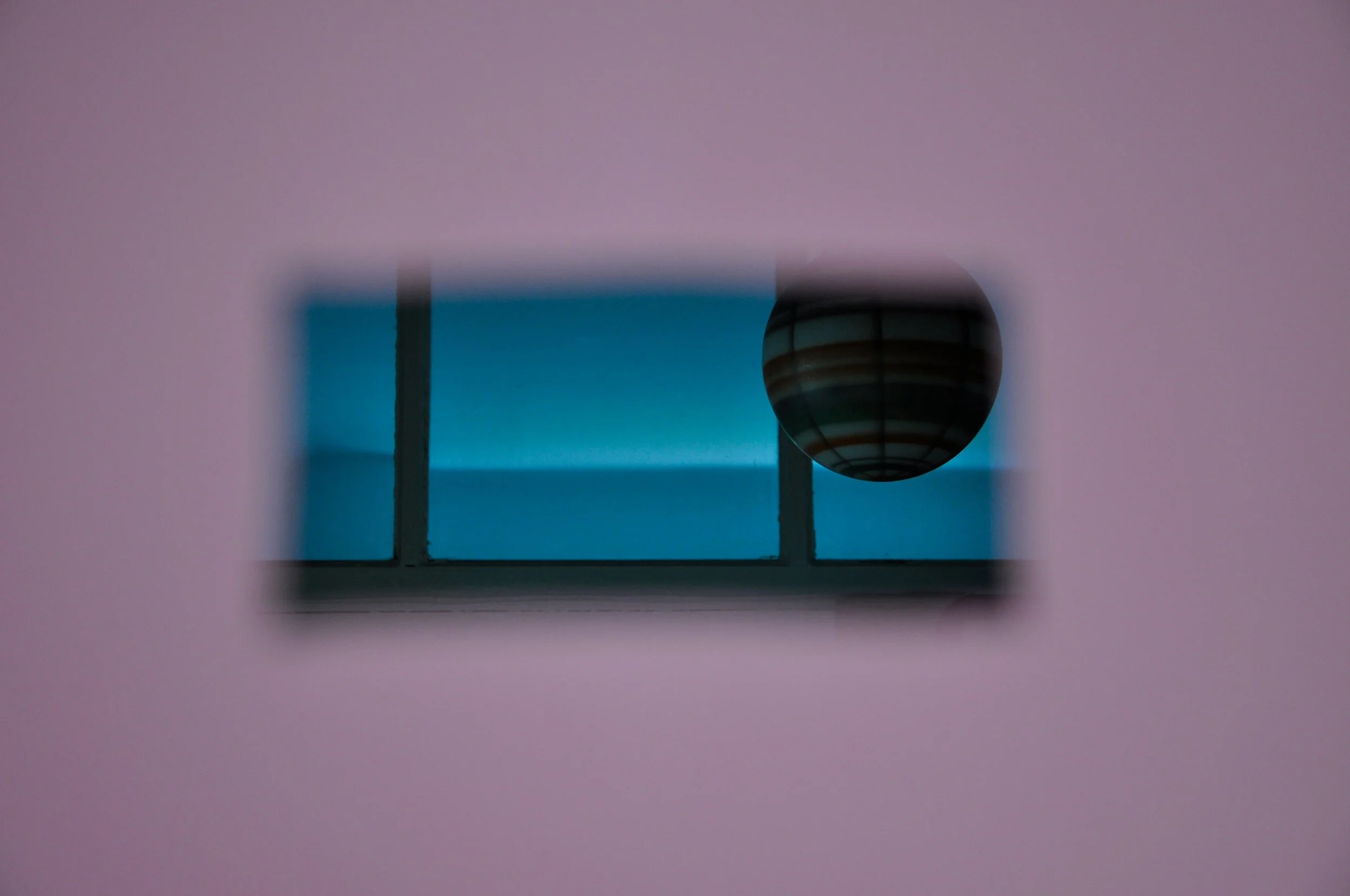
The dog barking

The sound of a spoon stirring tea
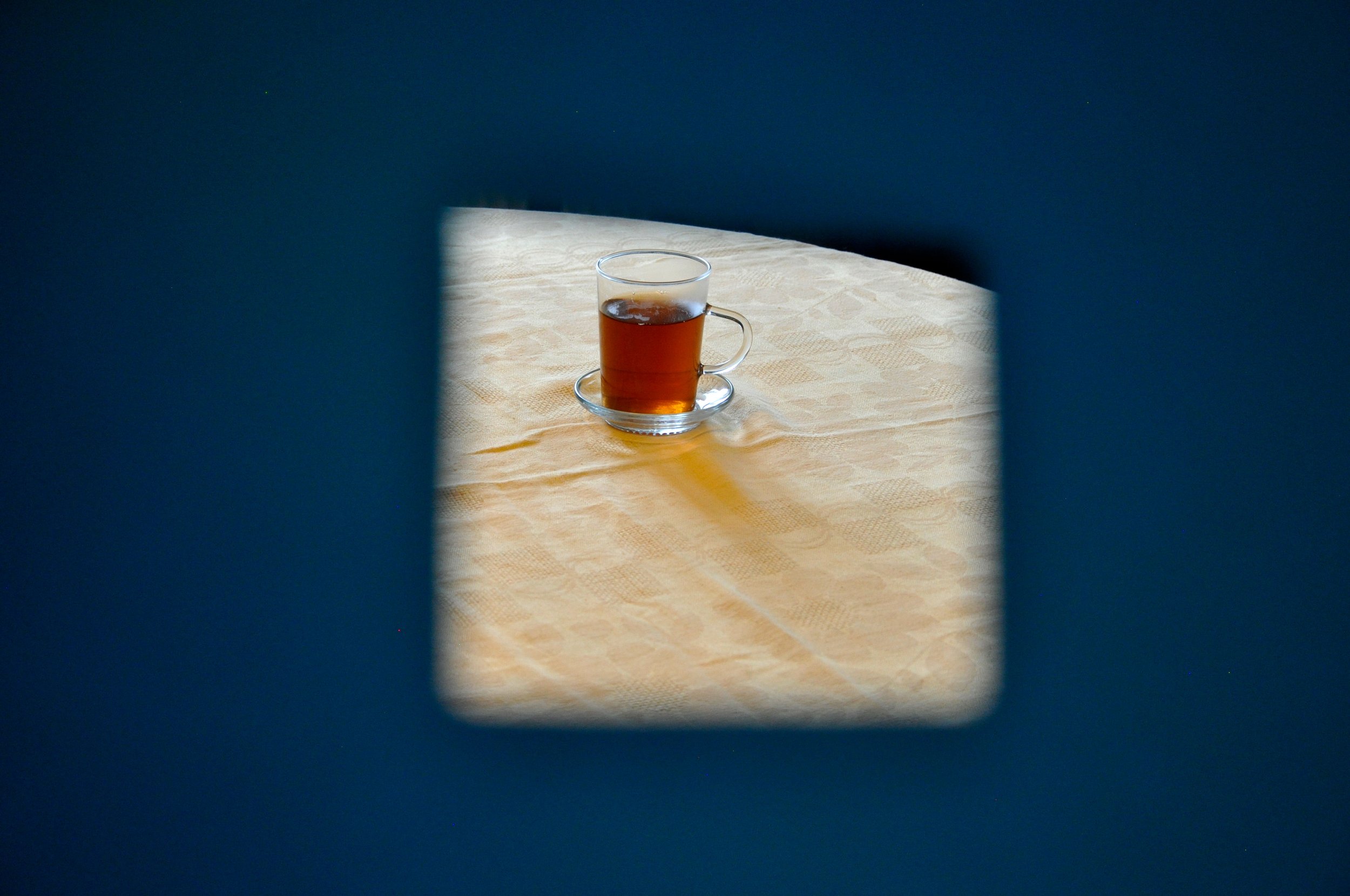
Cigarette smoke seeps into the tablecloth
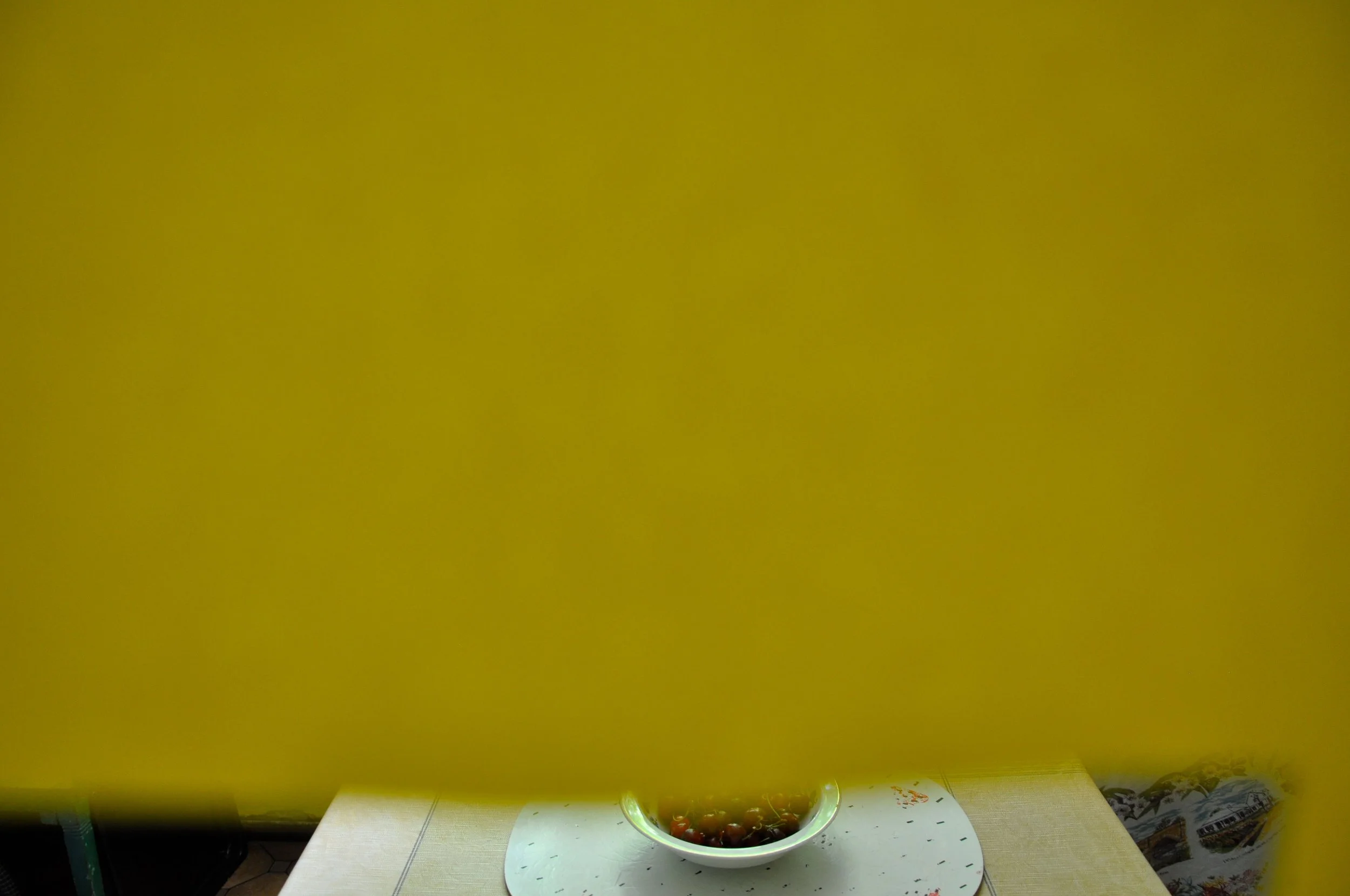
A June breeze sweeps through the window
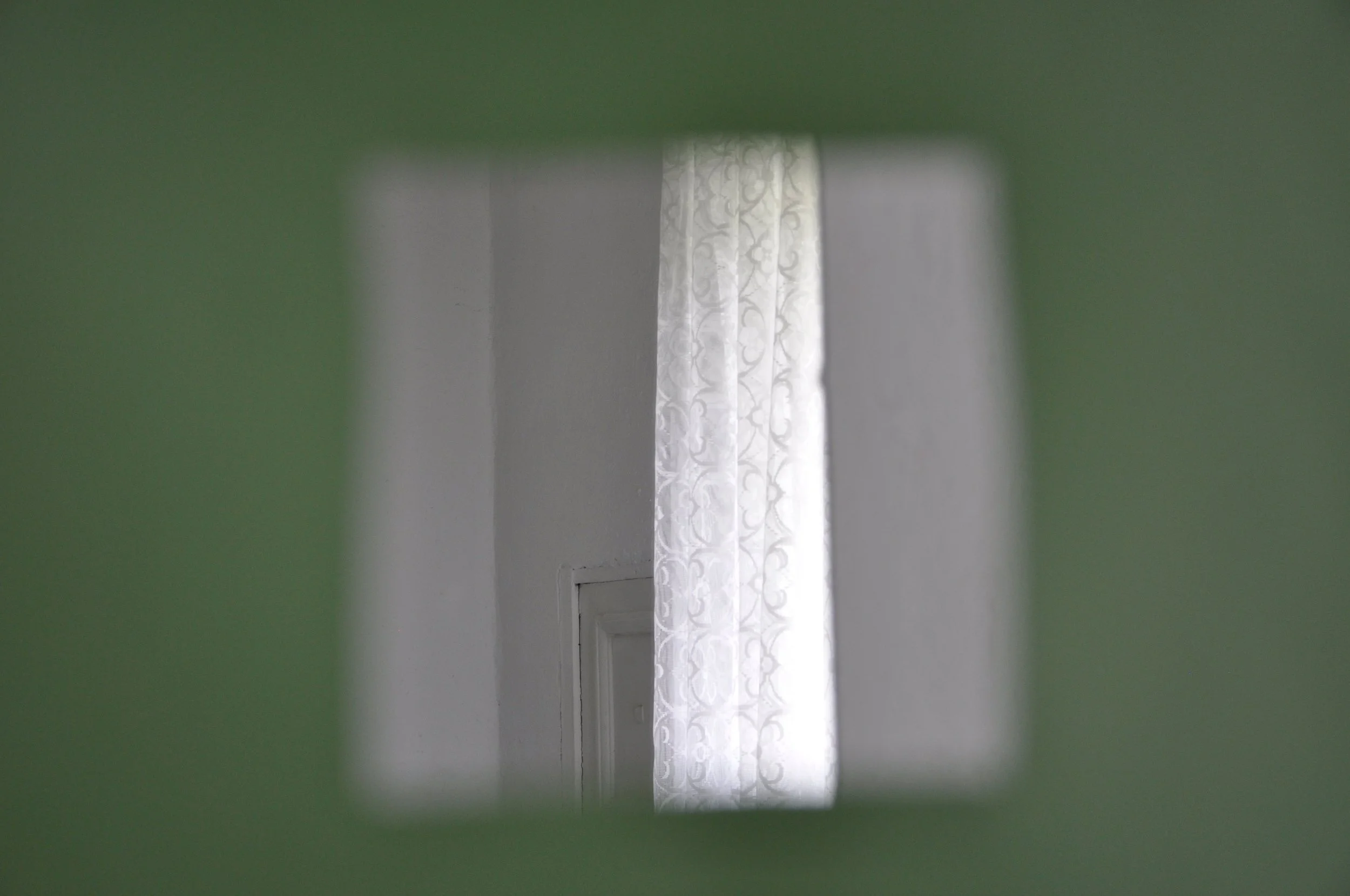
A green moth rests on the wall
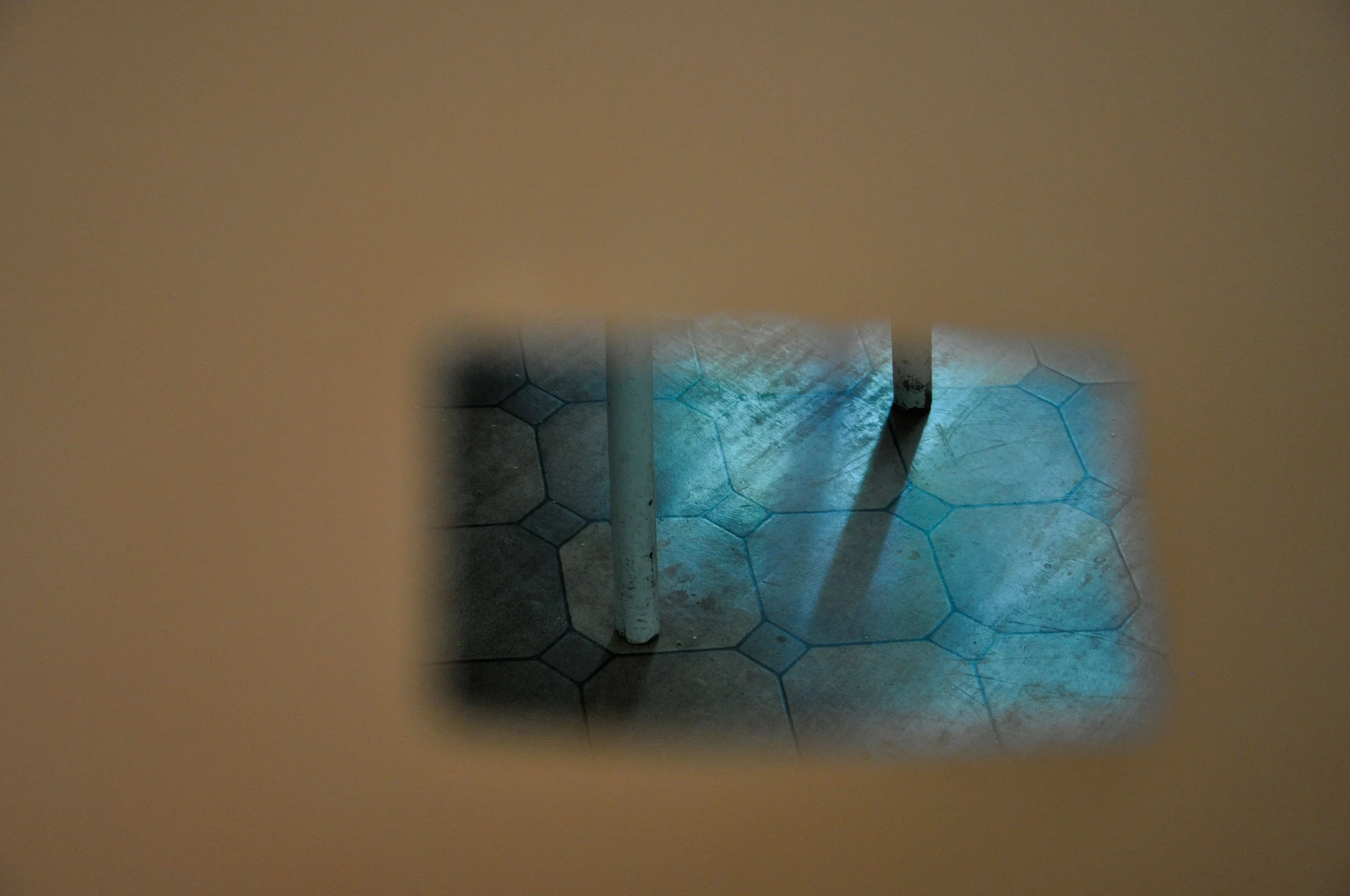
A few fruit flies linger
A dead fly on the window sill
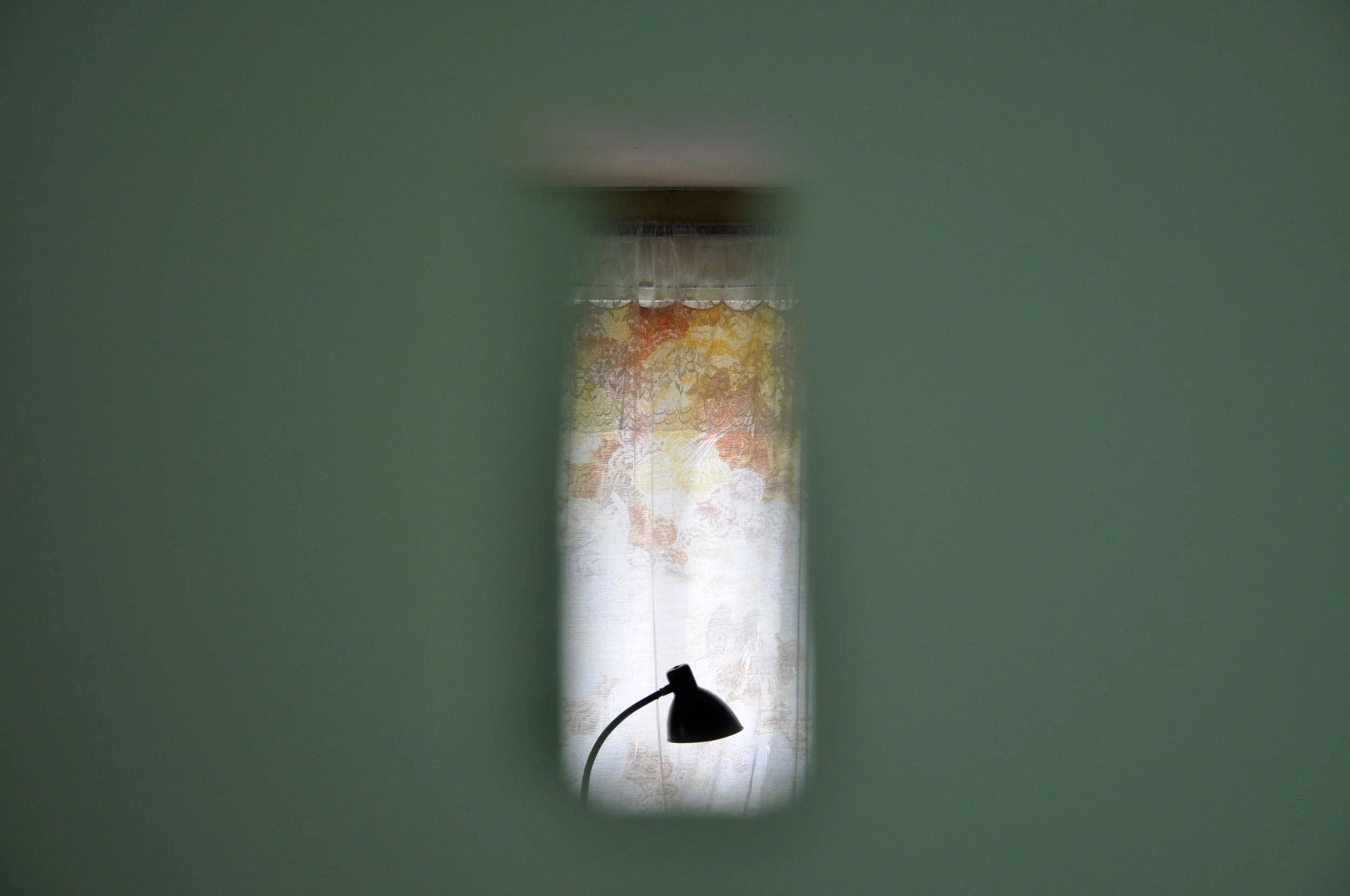
Julie Rafalski’s series of 100 photographs depicts details of the interior of her grandmother’s house in Poland and explores her childhood experience there in the 80s, documenting a world that has long disappeared and only exists in the ever-shifting space of memory. For Rafalski, the house was a place where time flowed differently: it was an analogue world with its own set of rules.
When she recently returned there to take these photographs, memories of that other world surface there - and she finds herself neither in the past nor the present, but in a space of limbo. Over the years she has inhabited the house more in her memory than in actuality. Through the process of memory, the house keeps growing over time, transforming into a familiar yet strange place.
The photographs in this series explore loss, transience and an ever-shifting memory. That era is gone, the events and people are gone, and the mind remembering is no longer the same mind. Memory persists, though it shifts and morphs, constantly in process.
This series can be seen as a portrait of her grandmother as well as a landscape of a domestic space. Fragments of the interior which her grandmother once inhabited still hold traces of her presence: cushion covers she sewed, curtains she hung, objects she collected.
Each shot incorporates a paper viewfinder that frames a fragment of the interior, the site of a memory for Rafalski. This abstract ‘periphery’ creates a pictorial layer of distance to the depicted objects. The titles refer to objects or sensations not visible in the photographs. They prompt the viewer to imagine them, creating another layer to the image.
All photographs: 80x53cm, C-type print, Edition of 5, 2025
Please get in touch to receive a pdf with the complete series.